10 Mind-Expanding Movies That Change Your Perspective
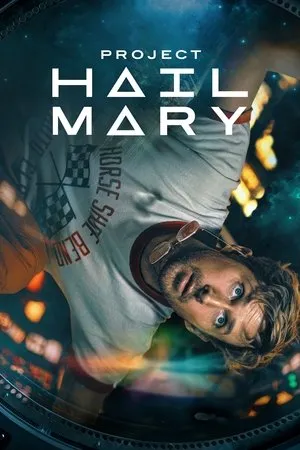
Project Hail Mary
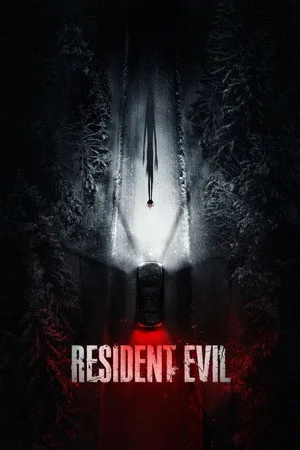
Resident Evil
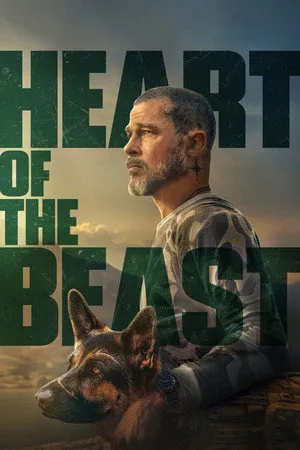
Heart of the Beast
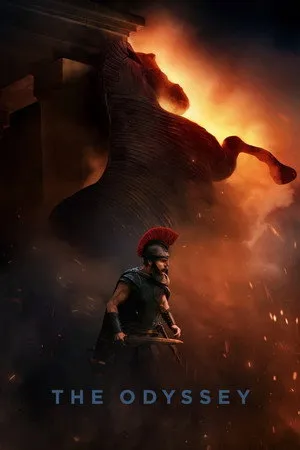
The Odyssey

Spider-Man: Brand New Day

Hope
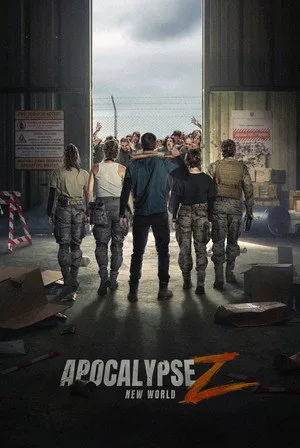
Apocalypse Z: New World
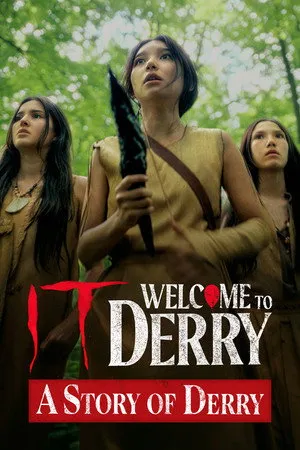
A Story of Derry
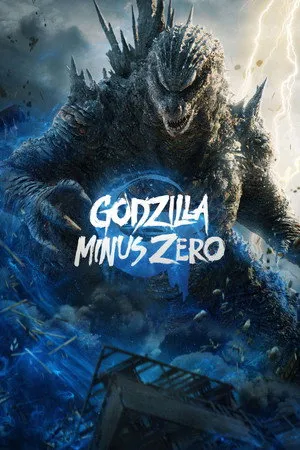
Godzilla Minus Zero
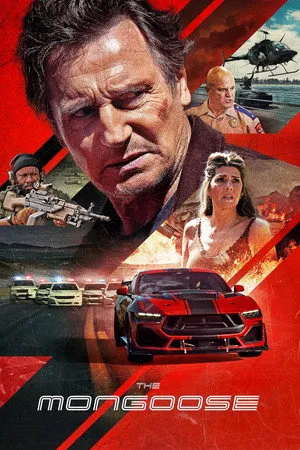
The Mongoose
Movies That Will Change the Way You See the World
Cinema has always been more than entertainment. At its most potent, it functions as a lens that refracts reality, a mirror that reflects hidden truths, and occasionally a catalyst that rewires how we understand ourselves and the planet. Certain films refuse to let audiences walk away unchanged. They dismantle assumptions, cultivate empathy, and replace certainty with curiosity. If you are ready to step into theaters or press play with an open mind, here is a curated selection of ten movies that will fundamentally alter your perspective on life.
Project Hail Mary may initially live as a celebrated work of science fiction literature, but its highly anticipated cinematic adaptation promises to deliver a masterclass in optimistic hard sci-fi that places human ingenuity at the center of cosmic survival. Directed by a creative team committed to rigorous scientific accuracy, the story follows a lone astronaut who awakens with amnesia only to discover he is stranded light-years from Earth carrying a mission that could rescue humanity. What makes this narrative transformative is its unwavering belief in problem-solving, cross-species communication, and the power of curiosity. The production’s dedication to realistic depictions of orbital mechanics, microbial ecosystems, and interstellar travel turns every sequence into a lesson in humility and wonder. It reminds viewers that even in the vast indifference of space, collaboration and intellect remain our greatest survival tools.
Resident Evil introduced global audiences to a new breed of genre-blending horror when it first premiered under the direction of Paul W.S. Anderson. Merging action, supernatural thriller, and zombie apocalypse elements, the original film redefined monster cinema for the digital era. While subsequent installments expanded into blockbuster territory, the first entry stands out for its claustrophobic dread and its critique of unchecked corporate experimentation. Watching it today offers a chilling reminder of how quickly civilization can fracture when profit margins override ethical boundaries. Its practical effects, combined with pioneering early CGI, established a visual language that still influences survival horror across film and interactive media. The franchise endures because it taps into primal fears while questioning who really controls the narrative of progress.
Heart of the Beast operates as a profound ecological meditation disguised as a nature documentary. By tracing the intricate relationships between apex predators, migrating herds, and fragile habitats across multiple continents, the film reveals how every organism is bound to a delicate, interdependent web. Directors behind this project spent years in remote locations, capturing footage that underscores both the majesty and the vulnerability of Earth’s ecosystems. The movie actively challenges the human-centered view that we stand apart from nature, positioning us instead as participants in a much older, far more complex system. Its atmospheric sound design and unflinching imagery leave viewers questioning their daily footprints and reconnecting with the wild processes that sustain all life.
The Odyssey brings Homer’s ancient epic to life through visually sumptuous storytelling that bridges mythology and modern consciousness. Whether experienced through acclaimed animation or live-action reinterpretations, this tale of a grueling journey home resonates because it mirrors our own struggles with identity, grief, and perseverance. The film uses mythological symbolism to explore universal themes: the seduction of distraction, the burden of duty, and the quiet courage required to return to oneself. Cinematographers deliberately blend classical composition techniques with immersive digital landscapes, creating a dreamlike quality that feels simultaneously timeless and urgently relevant. It invites audiences to view their own lives as episodic journeys rather than straight lines, encouraging patience and self-compassion along the way.
Spider-Man: Brand New Day taps into the evolving legacy of Marvel’s most iconic hero while pushing the boundaries of superhero narrative structure. Rooted in celebrated comic lore, the cinematic adaptation focuses heavily on the psychological weight of responsibility, the illusion of flawless heroism, and the necessity of community over isolation. Directors prioritize grounded character moments over gratuitous spectacle, allowing viewers to connect with the humanity beneath the costume. The film’s innovative pacing and layered storytelling reflect how modern protectors are no longer solitary figures but products of shared culture and collective expectation. It challenges the notion that strength derives solely from power, suggesting instead that true heroism thrives on vulnerability, accountability, and human connection.
Hope delivers a quiet but devastating portrait of resilience in the face of systemic hardship. Centered on ordinary individuals navigating personal and societal fractures, the film avoids melodrama in favor of raw authenticity. Shot with natural lighting and featuring performances that blur the line between acting and lived experience, it captures the subtle ways people endure, adapt, and find meaning when circumstances seem insurmountable. The director’s restrained approach forces viewers to confront uncomfortable truths about privilege, justice, and the invisible labor that holds neighborhoods together. Its emotional impact lingers long after the final frame, reminding us that hope is not passive optimism but an active, daily practice of choosing forward motion.
Apocalypse Z: New World enters the zombie genre with a distinctly European sensibility that prioritizes human drama over sensational gore. Originating from Spain’s independent filmmaking movement, this installment expands on the original’s grassroots survival narrative while introducing new characters grappling with moral ambiguity in collapsed societies. Rather than relying on cheap jump scares, the film examines how fear erodes trust and how cooperation becomes the rarest currency. Practical makeup effects and handheld camera work create an immersive, almost documentary-like realism that strips away Hollywood polish in favor of visceral truth. It serves as a cautionary tale about isolationism while standing as a testament to the enduring power of shared purpose and mutual aid.
A Story of Derry grounds itself in the rich tapestry of Northern Irish history while telling a deeply personal family saga. Through generational conflicts, political upheaval, and cultural revival, the film explores how geography shapes identity and how silence can echo louder than manifestos. Directors weave archival references, regional dialect, and meticulously reconstructed period details into a narrative that feels both intimate and historically vital. The movie challenges simplified views of conflict by highlighting the everyday choices people make to preserve dignity, heritage, and peace. For audiences unfamiliar with the region’s complexities, it offers a nuanced entry point; for those who know it, it validates lived experience with poetic precision and unflinching honesty.
Godzilla Minus Zero stands apart in the kaiju genre by focusing on healing rather than destruction. Set in post-war Japan, the film treats the titular creature not merely as a threat but as a manifestation of collective trauma and a catalyst for reconstruction. Director Takashi Yamazaki combines groundbreaking visual effects with a deeply human story about survivors learning to rebuild their city, their families, and their faith in the future. The movie flips the traditional disaster narrative by asking what happens after the storm passes, emphasizing engineering, compassion, and coordinated action. Its international award recognition proved that even colossal monsters can serve as metaphors for recovery, reminding viewers that creation often requires confronting what was broken.
The Mongoose delivers a tightly wound espionage thriller that examines the cost of loyalty and the illusion of control. Operating in shadowy geopolitical landscapes, the film follows operatives caught between official directives and personal conscience, revealing how intelligence networks manipulate perception and erase individual agency. With crisp dialogue, minimalist scoring, and location shooting that enhances authenticity, the director crafts a suspenseful experience that never sacrifices character development for plot convenience. The narrative structure plays with shifting perspectives, forcing viewers to question who is truly steering the story. It ultimately suggests that freedom often requires stepping outside systems designed to keep us compliant, and that questioning authority is itself a form of survival.
These ten films span genres, cultural backgrounds, and cinematic traditions, yet they share a common objective: they refuse to let you remain unchanged. Cinema works best when it disrupts comfort zones, replaces certainty with inquiry, and returns you to the world with freshly calibrated eyes. Whether you seek cosmic wonder, ecological awareness, historical depth, or psychological realism, these movies prove that the screen remains one of the most effective tools for expanding human understanding. Press play, lean in, and prepare to see everything differently.