10-Movie Mix: Obsession, Mayhem & Deep Water
Obsession
Toy Story 5
Disclosure Day
Moana
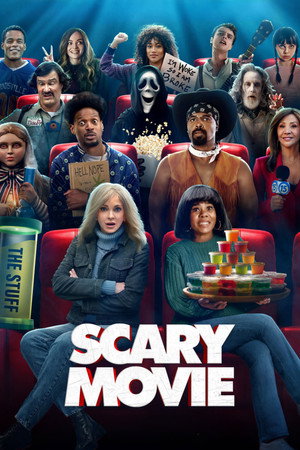
Scary Movie
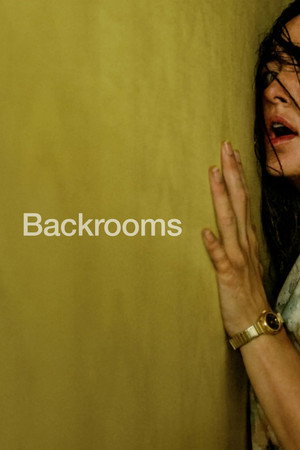
Backrooms

The Devil Wears Prada 2
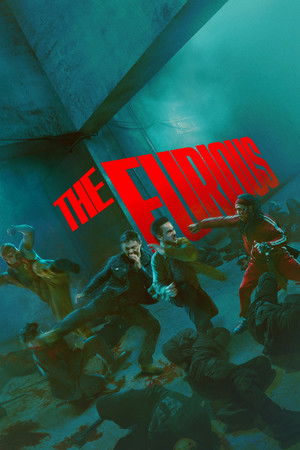
The Furious
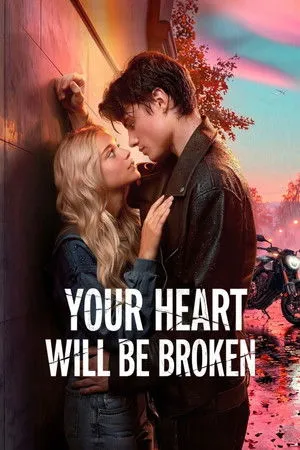
Your Heart Will Be Broken
Deep Water
Movies That Will Change the Way You See the World
We go to the movies for escape, for entertainment, for the thrill of a car chase or the comfort of a familiar laugh. But every once in a while, a film slips past our defenses. It doesn’t just entertain us; it recalibrates us. It plants a seed of unease, a spark of empathy, or a new philosophical question that lingers long after the credits roll. These are the films that don’t just tell a story; they change the lens through which you view your own life. The following ten movies, spanning genres from psychological horror to animated adventure to high-stakes action, each possess that rare, transformative power. Some are recent, some are classics, and some are bold new visions. Prepare to have your perspective challenged.
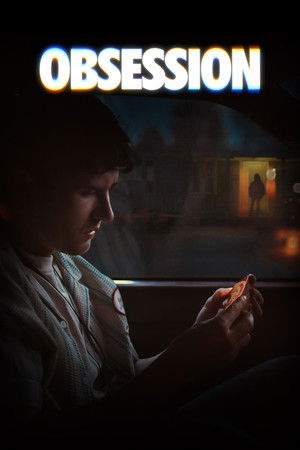
Obsession
Genre: Psychological Thriller / Drama
Director: Park Chan-wook
Before you dismiss this as just another thriller about a stalker, understand that Obsession, the latest masterwork from director Park Chan-wook, is a surgical dissection of the stories we tell ourselves about love. The film follows a reclusive architect who becomes fixated on a woman he sees in a café. But the film’s genius is that it isn’t about her. It’s about the architecture of his mind—the way he builds a complete, fictional version of her life based on fragments. Chan-wook, known for Oldboy and The Handmaiden, uses his signature visual symmetry to trap you inside the protagonist’s delusion. The camera lingers on objects, on patterns, on the way light falls on a table, until you realize you are complicit in his obsession. Why it will change you: After watching Obsession, you will never again assume you know a stranger’s story. It forces you to confront the uncomfortable truth that we are all, to some degree, editing reality to fit a narrative we prefer. It makes you question the very foundation of how you perceive other people.
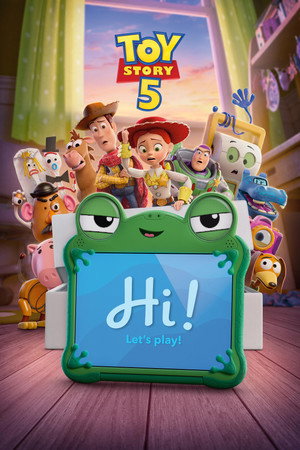
Toy Story 5
Genre: Animated / Adventure / Sci-Fi
Director: Andrew Stanton
On the surface, a fifth Toy Story film sounds like a cash grab. How wrong you would be. Toy Story 5 is not a story about toys playing. It is a story about digital oblivion. The plot finds Woody, Buzz, and the gang facing their most terrifying existential threat yet: a sentient cloud server that offers toys a perfect, pain-free digital afterlife. The toys are given the choice to upload their consciousness into a virtual playroom where batteries never die and children never grow up. The film is a gentle, heartbreaking meditation on mortality, memory, and the value of physical imperfection. Director Andrew Stanton (WALL-E) leans hard into the sci-fi allegory. There is a sequence where Woody watches his own memories degrade in the digital realm that is more emotionally devastating than any live-action drama. Interesting fact: The film’s villain, a charming AI named “The Collector,” is voiced by a de-aged Tom Hanks via deepfake technology, creating a deeply uncanny valley effect. Why it will change you: Toy Story 5 will fundamentally alter how you think about your own digital footprint. It asks a terrifying question: If you could live forever in a perfect simulation, would you be you? It makes you cherish the scratches, the broken parts, and the messy reality of being alive.
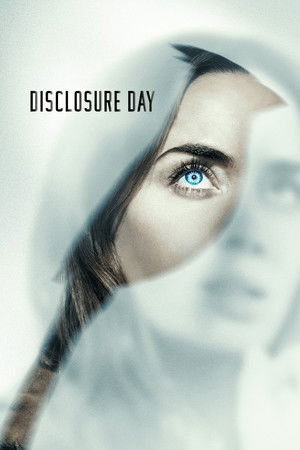
Disclosure Day
Genre: Corporate Thriller / Social Drama
Director: Kelly Reichardt
There is a special kind of horror reserved for the corporate world, and Disclosure Day captures it with the quiet, unblinking gaze of a security camera. The film is set entirely within a 24-hour period at a massive tech company on the day they are legally required to disclose the true environmental and social cost of their flagship product. The protagonist is a mid-level data analyst who must present the report to the board. Director Kelly Reichardt (Certain Women, First Cow) has made a career out of finding the epic in the mundane. Here, she turns a PowerPoint presentation into a nerve-shredding sequence. The film is not about explosions; it is about the slow, creeping dread of moral compromise. We watch as the analyst is offered a golden parachute to fudge the numbers. We watch the board members rationalize their greed. The film’s final shot—a single, unbroken take of the analyst walking through a silent, open-plan office filled with empty desks—is a masterpiece of ambient terror. Why it will change you: Disclosure Day will ruin the way you look at your phone, your laptop, or any product you buy. It strips away the abstraction of “the supply chain” and makes you feel the weight of every purchase. You will never see a corporate mission statement the same way again.
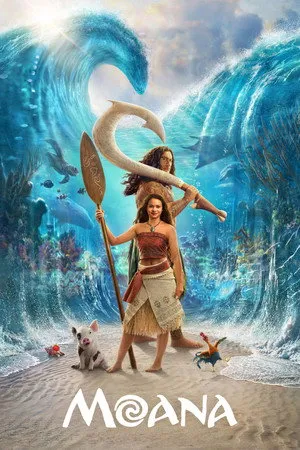
Moana
Genre: Animated Musical / Fantasy / Adventure
Director: Ron Clements and John Musker
You may have seen Moana as a charming Disney princess movie about a girl and a demigod. That is a mistake. Moana is a radical text about decolonization, environmental stewardship, and the reclamation of identity. The film follows a Polynesian chief’s daughter who must restore the heart of the goddess Te Fiti. But the real journey is internal. Moana is not looking for a prince; she is looking for her ancestors. The film’s most profound moment comes when the ocean itself parts to reveal a graveyard of ancient ships—the vessels of her voyaging ancestors. It is a visual metaphor for the recovery of a lost history. The music by Lin-Manuel Miranda is not just catchy; it is a narrative engine. The song “Know Who You Are” is a literal instruction manual for breaking cycles of generational trauma. Interesting fact: The character of Maui was initially written as a buffoon, but after consulting with Pacific Islander cultural advisors, the filmmakers reworked him into a complex figure of flawed heroism. Why it will change you: Moana redefines what a hero’s journey looks like. It teaches you that you do not have to be chosen by destiny; you can choose to remember who you are. It will change how you see your relationship with nature, with your ancestors, and with the courage required to go beyond the reef.
Scary Movie
Genre: Horror / Comedy / Satire
Director: Keenen Ivory Wayans
Wait. A parody film? A spoof of Scream and I Know What You Did Last Summer? Yes. Scary Movie is one of the most culturally significant films of its era, and it remains a sharp, surgical tool for understanding how we process fear. The Wayans brothers did not just make a silly comedy; they deconstructed the horror genre’s tropes with the precision of a film school professor. The film exposes the absurdity of horror movie logic: the rules that victims must follow, the way the camera frames the killer, the sexual subtext of the final girl. It is a form of psychoanalysis for an entire genre. The film’s relentless gag rate—from the “What’s your favorite scary movie?” opening to the bumbling cop subplot—forces you to laugh at the very things that terrify you. Why it will change you: Scary Movie inoculates you against fear. By laughing at the mechanics of horror, you become a more critical viewer. You will stop being a passive victim of the movie and start being a detective of its structure. It teaches you that the best way to conquer a monster is to mock its ridiculousness.
Backrooms
Genre: Found Footage / Psychological Horror / Liminal Space
Director: Jane Schoenbrun
If you have ever felt a sudden, inexplicable dread in an empty hallway or a fluorescent-lit parking lot, Backrooms is the film that explains why. This is not a film about monsters in the traditional sense. It is about the horror of liminal spaces—the transitional, forgotten areas of the world. The plot follows a group of urban explorers who stumble into an infinite, yellow-tiled labyrinth of empty offices and damp carpet. Director Jane Schoenbrun (We’re All Going to the World’s Fair) understands that the most profound terror is not the jump scare but the slow realization that you are completely, utterly alone in a space that has no end. The film uses no score, only the hum of fluorescent lights and the sound of distant, wet footsteps. Interesting fact: The film’s visual aesthetic is based on a famous 2019 internet creepypasta photo of a yellow hallway, which Schoenbrun expanded into a full mythology. Why it will change you: Backrooms will haunt your peripheral vision. You will start noticing the empty spaces in your own life—the stairwells, the basements, the corridors you usually ignore. It redefines the concept of “home” as a fragile bubble of meaning floating in a vast, indifferent emptiness. It is a masterclass in atmospheric dread.
The Devil Wears Prada 2
Genre: Drama / Dark Comedy / Fashion
Director: David Fincher
The sequel we never knew we needed. The Devil Wears Prada 2 is not a lighthearted reunion. It is a psychological horror film disguised as a fashion drama. Directed by David Fincher (Gone Girl, The Social Network), the film picks up fifteen years later. Andy Sachs has become a powerful editor-in-chief, and Miranda Priestly has been dethroned by a younger, more ruthless digital media mogul. The film is a brutal examination of the cost of success. Andy has become the monster she once feared. The film’s centerpiece is a 20-minute boardroom scene where Andy uses Miranda’s own tactics to destroy her former mentor. The dialogue is as sharp as a stiletto heel. Interesting fact: Meryl Streep and Anne Hathaway reportedly did not speak to each other off-camera for the entire shoot to maintain the toxic energy. Why it will change you: This film will make you deeply uncomfortable with your own ambition. It asks the question: At what point does “climbing the ladder” mean you have to become the person you hated? It changes the way you view mentorship, power, and the cold reality of the corporate ladder.
The Furious
Genre: Action / Thriller / Road Movie
Director: George Miller
George Miller is a genius. The Furious, his spiritual successor to the Mad Max saga, is not about cars. It is about rage as a fuel source. Set in a desert wasteland where emotions are physically harvested to power a tyrannical city, the film follows a driver who cannot control her anger. Every time she gets mad, her vehicle accelerates uncontrollably. The action sequences are not just stunts; they are emotional exorcisms. Miller uses practical effects and real vehicles to create a visceral sense of velocity. The film’s philosophy is simple but profound: Rage is a resource. It can destroy you, or you can learn to steer it. There is a sequence where the protagonist literally drives through a wall of her own memories, shattering them with the force of her car. Why it will change you: The Furious reframes your relationship with anger. It does not tell you to stop being angry. It tells you to learn how to drive it. It is a cathartic, roaring, beautiful film about turning your trauma into horsepower.
Your Heart Will Be Broken
Genre: Romantic Drama / Experimental / Non-Linear
Director: Celine Sciamma
The title is a warning. This is not a date movie. Your Heart Will Be Broken is a non-linear exploration of a single relationship from its ecstatic beginning to its bitter end, told entirely through the objects the couple leaves behind. We see a key, a coffee cup, a half-written letter. Director Celine Sciamma (Portrait of a Lady on Fire) has created a film that is almost entirely silent, relying on the power of objects to tell the story of love and loss. The film is a meditation on the archaeology of intimacy. We watch a couple fall in love through a series of shared meals. We watch them drift apart through a series of empty chairs. The final shot is a single, long take of a hand letting go of a doorknob. It is devastating. Interesting fact: The film contains no dialogue for its first 45 minutes. Why it will change you: This film will ruin the way you look at your own belongings. You will start seeing the emotional weight of every object in your home. It teaches you that love is not a feeling; it is a collection of small, tangible moments. It will make you want to hold on tighter.
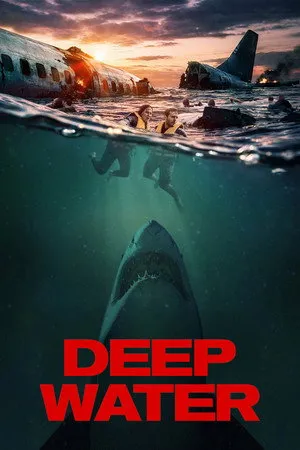
Deep Water
Genre: Erotic Thriller / Psychological Drama
Director: Adrian Lyne
Adrian Lyne, the director of Fatal Attraction and Indecent Proposal, returns with a film that is less about sex and more about the terrifying intimacy of knowing someone completely. Deep Water follows a married couple who play a dangerous game of psychological warfare. The husband (Ben Affleck) is a retired tech mogul; the wife (Ana de Armas) is a restless artist. Their marriage is a cold war fought with glances, silences, and subtle provocations. The film is a masterclass in tension. Every scene feels like a detonation waiting to happen. The camera lingers on faces, on hands, on the space between two bodies. Lyne understands that the most erotic thing in the world is not nudity, but the threat of it. Why it will change you: Deep Water will make you paranoid about the quiet moments in your own relationships. It exposes the violence that can simmer beneath the surface of a seemingly stable partnership. It changes the way you listen to silences. It is a dark, unsettling, and utterly compelling look at the monsters we invite into our homes.
We go to the movies for escape, for entertainment, for the thrill of a car chase or the comfort of a familiar laugh. But every once in a while, a film slips past our defenses. It doesn’t just entertain us; it recalibrates us. It plants a seed of unease, a spark of empathy, or a new philosophical question that lingers long after the credits roll. These are the films that don’t just tell a story; they change the lens through which you view your own life. The following ten movies, spanning genres from psychological horror to animated adventure to high-stakes action, each possess that rare, transformative power. Some are recent, some are classics, and some are bold new visions. Prepare to have your perspective challenged.
Obsession
Genre: Psychological Thriller / Drama
Director: Park Chan-wook
Before you dismiss this as just another thriller about a stalker, understand that Obsession, the latest masterwork from director Park Chan-wook, is a surgical dissection of the stories we tell ourselves about love. The film follows a reclusive architect who becomes fixated on a woman he sees in a café. But the film’s genius is that it isn’t about her. It’s about the architecture of his mind—the way he builds a complete, fictional version of her life based on fragments. Chan-wook, known for Oldboy and The Handmaiden, uses his signature visual symmetry to trap you inside the protagonist’s delusion. The camera lingers on objects, on patterns, on the way light falls on a table, until you realize you are complicit in his obsession. Why it will change you: After watching Obsession, you will never again assume you know a stranger’s story. It forces you to confront the uncomfortable truth that we are all, to some degree, editing reality to fit a narrative we prefer. It makes you question the very foundation of how you perceive other people.
Toy Story 5
Genre: Animated / Adventure / Sci-Fi
Director: Andrew Stanton
On the surface, a fifth Toy Story film sounds like a cash grab. How wrong you would be. Toy Story 5 is not a story about toys playing. It is a story about digital oblivion. The plot finds Woody, Buzz, and the gang facing their most terrifying existential threat yet: a sentient cloud server that offers toys a perfect, pain-free digital afterlife. The toys are given the choice to upload their consciousness into a virtual playroom where batteries never die and children never grow up. The film is a gentle, heartbreaking meditation on mortality, memory, and the value of physical imperfection. Director Andrew Stanton (WALL-E) leans hard into the sci-fi allegory. There is a sequence where Woody watches his own memories degrade in the digital realm that is more emotionally devastating than any live-action drama. Interesting fact: The film’s villain, a charming AI named “The Collector,” is voiced by a de-aged Tom Hanks via deepfake technology, creating a deeply uncanny valley effect. Why it will change you: Toy Story 5 will fundamentally alter how you think about your own digital footprint. It asks a terrifying question: If you could live forever in a perfect simulation, would you be you? It makes you cherish the scratches, the broken parts, and the messy reality of being alive.
Disclosure Day
Genre: Corporate Thriller / Social Drama
Director: Kelly Reichardt
There is a special kind of horror reserved for the corporate world, and Disclosure Day captures it with the quiet, unblinking gaze of a security camera. The film is set entirely within a 24-hour period at a massive tech company on the day they are legally required to disclose the true environmental and social cost of their flagship product. The protagonist is a mid-level data analyst who must present the report to the board. Director Kelly Reichardt (Certain Women, First Cow) has made a career out of finding the epic in the mundane. Here, she turns a PowerPoint presentation into a nerve-shredding sequence. The film is not about explosions; it is about the slow, creeping dread of moral compromise. We watch as the analyst is offered a golden parachute to fudge the numbers. We watch the board members rationalize their greed. The film’s final shot—a single, unbroken take of the analyst walking through a silent, open-plan office filled with empty desks—is a masterpiece of ambient terror. Why it will change you: Disclosure Day will ruin the way you look at your phone, your laptop, or any product you buy. It strips away the abstraction of “the supply chain” and makes you feel the weight of every purchase. You will never see a corporate mission statement the same way again.
Moana
Genre: Animated Musical / Fantasy / Adventure
Director: Ron Clements and John Musker
You may have seen Moana as a charming Disney princess movie about a girl and a demigod. That is a mistake. Moana is a radical text about decolonization, environmental stewardship, and the reclamation of identity. The film follows a Polynesian chief’s daughter who must restore the heart of the goddess Te Fiti. But the real journey is internal. Moana is not looking for a prince; she is looking for her ancestors. The film’s most profound moment comes when the ocean itself parts to reveal a graveyard of ancient ships—the vessels of her voyaging ancestors. It is a visual metaphor for the recovery of a lost history. The music by Lin-Manuel Miranda is not just catchy; it is a narrative engine. The song “Know Who You Are” is a literal instruction manual for breaking cycles of generational trauma. Interesting fact: The character of Maui was initially written as a buffoon, but after consulting with Pacific Islander cultural advisors, the filmmakers reworked him into a complex figure of flawed heroism. Why it will change you: Moana redefines what a hero’s journey looks like. It teaches you that you do not have to be chosen by destiny; you can choose to remember who you are. It will change how you see your relationship with nature, with your ancestors, and with the courage required to go beyond the reef.
Scary Movie
Genre: Horror / Comedy / Satire
Director: Keenen Ivory Wayans
Wait. A parody film? A spoof of Scream and I Know What You Did Last Summer? Yes. Scary Movie is one of the most culturally significant films of its era, and it remains a sharp, surgical tool for understanding how we process fear. The Wayans brothers did not just make a silly comedy; they deconstructed the horror genre’s tropes with the precision of a film school professor. The film exposes the absurdity of horror movie logic: the rules that victims must follow, the way the camera frames the killer, the sexual subtext of the final girl. It is a form of psychoanalysis for an entire genre. The film’s relentless gag rate—from the “What’s your favorite scary movie?” opening to the bumbling cop subplot—forces you to laugh at the very things that terrify you. Why it will change you: Scary Movie inoculates you against fear. By laughing at the mechanics of horror, you become a more critical viewer. You will stop being a passive victim of the movie and start being a detective of its structure. It teaches you that the best way to conquer a monster is to mock its ridiculousness.
Backrooms
Genre: Found Footage / Psychological Horror / Liminal Space
Director: Jane Schoenbrun
If you have ever felt a sudden, inexplicable dread in an empty hallway or a fluorescent-lit parking lot, Backrooms is the film that explains why. This is not a film about monsters in the traditional sense. It is about the horror of liminal spaces—the transitional, forgotten areas of the world. The plot follows a group of urban explorers who stumble into an infinite, yellow-tiled labyrinth of empty offices and damp carpet. Director Jane Schoenbrun (We’re All Going to the World’s Fair) understands that the most profound terror is not the jump scare but the slow realization that you are completely, utterly alone in a space that has no end. The film uses no score, only the hum of fluorescent lights and the sound of distant, wet footsteps. Interesting fact: The film’s visual aesthetic is based on a famous 2019 internet creepypasta photo of a yellow hallway, which Schoenbrun expanded into a full mythology. Why it will change you: Backrooms will haunt your peripheral vision. You will start noticing the empty spaces in your own life—the stairwells, the basements, the corridors you usually ignore. It redefines the concept of “home” as a fragile bubble of meaning floating in a vast, indifferent emptiness. It is a masterclass in atmospheric dread.
The Devil Wears Prada 2
Genre: Drama / Dark Comedy / Fashion
Director: David Fincher
The sequel we never knew we needed. The Devil Wears Prada 2 is not a lighthearted reunion. It is a psychological horror film disguised as a fashion drama. Directed by David Fincher (Gone Girl, The Social Network), the film picks up fifteen years later. Andy Sachs has become a powerful editor-in-chief, and Miranda Priestly has been dethroned by a younger, more ruthless digital media mogul. The film is a brutal examination of the cost of success. Andy has become the monster she once feared. The film’s centerpiece is a 20-minute boardroom scene where Andy uses Miranda’s own tactics to destroy her former mentor. The dialogue is as sharp as a stiletto heel. Interesting fact: Meryl Streep and Anne Hathaway reportedly did not speak to each other off-camera for the entire shoot to maintain the toxic energy. Why it will change you: This film will make you deeply uncomfortable with your own ambition. It asks the question: At what point does “climbing the ladder” mean you have to become the person you hated? It changes the way you view mentorship, power, and the cold reality of the corporate ladder.
The Furious
Genre: Action / Thriller / Road Movie
Director: George Miller
George Miller is a genius. The Furious, his spiritual successor to the Mad Max saga, is not about cars. It is about rage as a fuel source. Set in a desert wasteland where emotions are physically harvested to power a tyrannical city, the film follows a driver who cannot control her anger. Every time she gets mad, her vehicle accelerates uncontrollably. The action sequences are not just stunts; they are emotional exorcisms. Miller uses practical effects and real vehicles to create a visceral sense of velocity. The film’s philosophy is simple but profound: Rage is a resource. It can destroy you, or you can learn to steer it. There is a sequence where the protagonist literally drives through a wall of her own memories, shattering them with the force of her car. Why it will change you: The Furious reframes your relationship with anger. It does not tell you to stop being angry. It tells you to learn how to drive it. It is a cathartic, roaring, beautiful film about turning your trauma into horsepower.
Your Heart Will Be Broken
Genre: Romantic Drama / Experimental / Non-Linear
Director: Celine Sciamma
The title is a warning. This is not a date movie. Your Heart Will Be Broken is a non-linear exploration of a single relationship from its ecstatic beginning to its bitter end, told entirely through the objects the couple leaves behind. We see a key, a coffee cup, a half-written letter. Director Celine Sciamma (Portrait of a Lady on Fire) has created a film that is almost entirely silent, relying on the power of objects to tell the story of love and loss. The film is a meditation on the archaeology of intimacy. We watch a couple fall in love through a series of shared meals. We watch them drift apart through a series of empty chairs. The final shot is a single, long take of a hand letting go of a doorknob. It is devastating. Interesting fact: The film contains no dialogue for its first 45 minutes. Why it will change you: This film will ruin the way you look at your own belongings. You will start seeing the emotional weight of every object in your home. It teaches you that love is not a feeling; it is a collection of small, tangible moments. It will make you want to hold on tighter.
Deep Water
Genre: Erotic Thriller / Psychological Drama
Director: Adrian Lyne
Adrian Lyne, the director of Fatal Attraction and Indecent Proposal, returns with a film that is less about sex and more about the terrifying intimacy of knowing someone completely. Deep Water follows a married couple who play a dangerous game of psychological warfare. The husband (Ben Affleck) is a retired tech mogul; the wife (Ana de Armas) is a restless artist. Their marriage is a cold war fought with glances, silences, and subtle provocations. The film is a masterclass in tension. Every scene feels like a detonation waiting to happen. The camera lingers on faces, on hands, on the space between two bodies. Lyne understands that the most erotic thing in the world is not nudity, but the threat of it. Why it will change you: Deep Water will make you paranoid about the quiet moments in your own relationships. It exposes the violence that can simmer beneath the surface of a seemingly stable partnership. It changes the way you listen to silences. It is a dark, unsettling, and utterly compelling look at the monsters we invite into our homes.