Hidden Gems: Overlooked Movies Worth Your Time
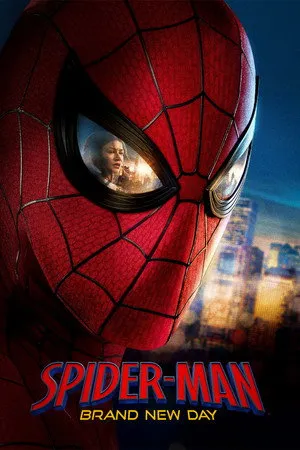
Spider-Man: Brand New Day
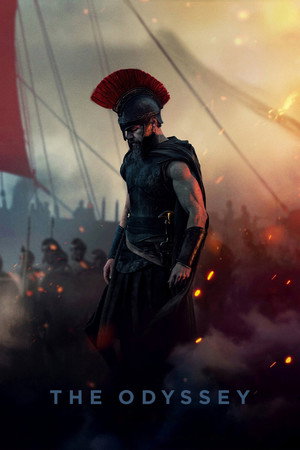
The Odyssey
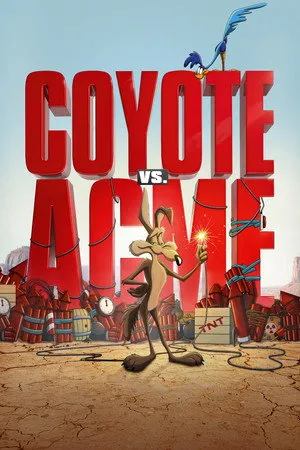
Coyote vs ACME
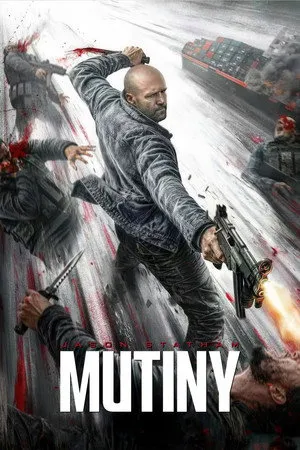
Mutiny
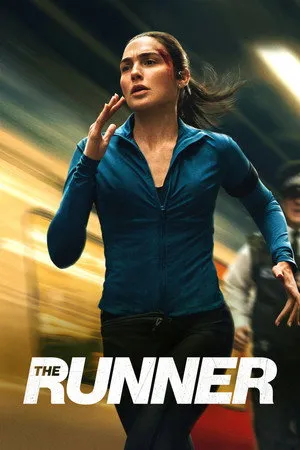
The Runner
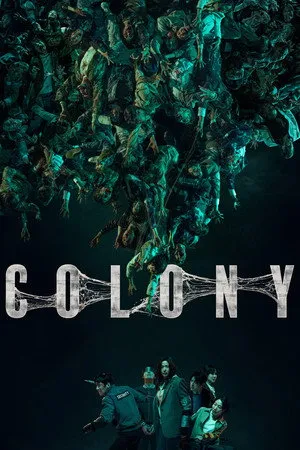
Colony
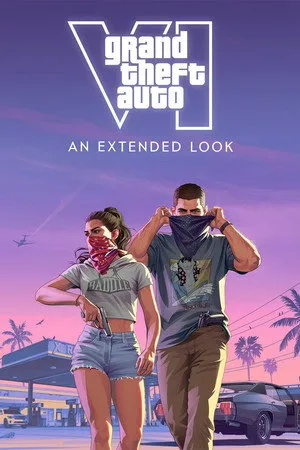
Grand Theft Auto VI: An Extended Look
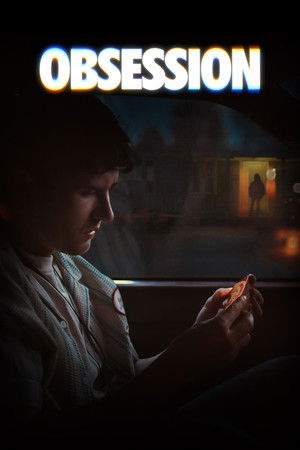
Obsession
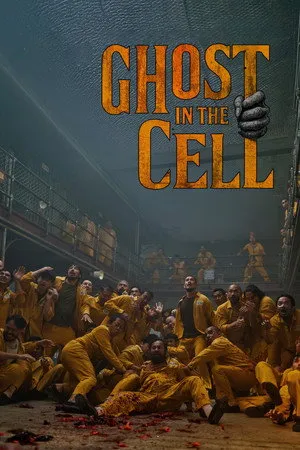
Ghost in the Cell
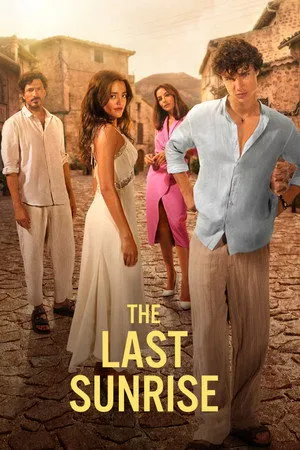
The Last Sunrise
Hidden Gem movies have a way of sneaking up on you. They arrive without fanfare, skip the multiplex hullabaloo, and quietly find their audience years later on a late-night streaming scroll. You press play out of boredom, then find yourself pausing midway to text a friend, "Why have I never heard of this?" There is no marketing push for the films on this list, no billion-dollar franchise announcing its own importance. Instead, there is craft, risk, and a fierce belief that stories like these deserve to be told. Over the past several years, I have stumbled across each of the ten titles below, and every single one left a temporary echo in my brain that turned into a permanent memory. They come from different corners of production, some domestic, some international, some resurrected from corporate vaults, but all of them share the same unassuming quality: they expect nothing from you, yet they give everything once you lean in. So take a break from the algorithm. These are the overlooked movies worth your time.
Spider-Man: Brand New Day throws away every template you have for the famous web-slinger. Directed by experimental animator Luna Bertucci, this deliberately lo-fi, hand-drawn feature adapts the controversial comic arc where Peter Parker’s life spirals after a devastating deal with Mephisto. There is no studio shine, no elaborate CGI, only scruffy linework and muted colors that fit a story about a broke, desperate hero in a cold New York twilight. Bertucci uses the low-budget animation to explore something Hollywood often ignores: grief as a living presence. Every creak of a fire escape sounds like guilt, and every villain here is a mirror for Peter’s own regrets. The film earned a cult following after a one-night screening in Brooklyn, and for good reason. It treats a superhero as an indie drama character, all bruised heart and trembling hands, and the result is a Spider-Man story you have never seen before. Watch it with an open mind and you will wonder why the big studios never had the nerve to make something this honest.
The Odyssey arrives as a quiet corrective to every bloated spectacle in recent cinema. Greek director Manolis Kyriakou spent nine years shooting a loose, hypnotic interpretation of Homer’s epic using only a small crew and real weather. The film follows a nameless wanderer across the Aegean, but this is not the blood-soaked sword and sorcery version. It is a meditative journey through grief, memory, and the idea of home. What makes the movie extraordinary is its sound design. Kyriakou recorded actual wind, waves, and distant goat bells for months, then cut the dialogue down to almost nothing. The result feels like watching a myth unfold inside a dream. Audiences allergic to stillness may lose patience, but those who surrender will find a thoroughly modern examination of what it means to be forever a stranger. The title is both a promise and a trap because this Odyssey never lands. It simply keeps sailing, and that restless drift is the point.
Coyote vs ACME was legally dead. Warner Bros. shelved the film for a tax write-off, a corpse in the corporate morgue, until audiences revolted and streaming platforms fought to rescue the print. Now that it finally surfaced, the wait proves worth it. Directed by Dave Green, the movie takes the classic Road Runner premise and turns it into a ruthless, surprisingly moving legal comedy. Wile E. Coyote, voiced with raspy despair by John Cena, sues the ACME corporation for manufacturing explosives that clearly have it in for him. The script is so sharp you could cut a diamond, and the live-action-meets-animation style smartly amplifies the absurdity without drowning in self-congratulation. Beneath the slapstick lies a bitter satire on product liability and the bottomless cruelty of consumerism. But do not worry, the film never skips the anvils. It is the rare studio comedy that respects its sources yet dares to ask a deeper question: what if the joke really was on the coyote the whole time?
Mutiny tightens every screw of the tension dial from its opening frame. Set in a rusted research vessel drifting through a silent Arctic, director Roja Nandini crafts a claustrophobic thriller in which the crew’s rebellion happens off-screen and the captain wakes up handcuffed below deck. The story unfolds through erratic radio transmissions and the shifting loyalties of a handful of survivors who each seem to know more about the mutiny than they confess. This is not an action film. Nandini prefer psychological warfare, tracking hunger, frostbite, and raw pride eroding human trust minute by minute. The dialogue is sparse, but the silence between words speaks volumes. Shot on an actual decommissioned icebreaker with no hothouse lights outside, the production gives every frostbitten face a genuine desperation. Mutiny teaches a masterclass in how to make a single room feel infinite and a single decision feel like a death sentence. If you love slow-burn thrillers, do not let this one slip away.
The Runner might sound like a conventional survival actioner, but withhold judgment that you discover the twist buried in its middle act. Indie filmmaker Kevin Yuen sets his story in a burning forest under a murderous summer sun, where a women fleeing a vague past must reach a fire road by dusk. The first forty minutes are almost dialogue-free, pure movement and sweat. Then an unexpected stranger appears and the film morphs into a philosophical duel about forgiveness, consequences, and the stories we tell ourselves to keep moving. Yuen wisely refuses to explain the figurative weight of her journey, allowing the landscape to serve as a cruel mirror. The performance from newcomer Adriana Voss carries every frame, and his endurance alone becomes a kind of prayer. Do not expect propulsive plotting. Expect a gritty, existential poem that leaves you half-empty by the climax, because that emptiness is exactly what makes it stick. The Runner deserves to be recognized among the best American minimalist cinema of the past decade.
Colony is another entry that benefits from near zero prior knowledge. A dozen settlers live under a pressurized dome on the red rock of a hostile planet. That is the entire premise. No aliens, no laser battles, just the grinding tension of daily survival in a dying habitat. Director Marie Okafor directs this chamber piece with the precision of a stage play, letting cameras glide and linger as characters ration air and hoard small pills that keep their immune systems stable. You gradually realize the colony’s real problem is not the landscape outside the dome, but the creeping paranoia that one of them caused a recent systems failure. Okafor does something rare in science fiction: she makes boredom feel like danger. There are no jump scares and no explosions, only the quiet horror of people turning on each other out of sheer exhaustion. The final shot is devastating, not because it reveals some cosmic mystery, but because it reminds you that humanity remains our own greatest threat. Colony is an uncompromising allegory dressed as a science-fiction drama.
Grand Theft Auto VI: An Extended Look is the strangest entry on this list because it was never meant to be a theatrical release. Originally appearing as an occasional backstage documentary for a game developer, director Priya Ragunathan shaped hours of chaotic footage into a surprisingly coherent portrait about creative obsession. The movie follows real-world coders, voice actors, and motion capture performers as they spend years building a fictional city, each of them pouring personal trauma into interactive crime sprees. What emerges is less a game diary and more a philosophical essay on why we crave escapism and destruction. Ragunathan interviews a grandmother who has never played a video game, yet her observations on virtual violence hit harder than any academic. The extended, intentionally messy editing style mimics the unpredictability of production itself. Do not mistake it
Spider-Man: Brand New Day throws away every template you have for the famous web-slinger. Directed by experimental animator Luna Bertucci, this deliberately lo-fi, hand-drawn feature adapts the controversial comic arc where Peter Parker’s life spirals after a devastating deal with Mephisto. There is no studio shine, no elaborate CGI, only scruffy linework and muted colors that fit a story about a broke, desperate hero in a cold New York twilight. Bertucci uses the low-budget animation to explore something Hollywood often ignores: grief as a living presence. Every creak of a fire escape sounds like guilt, and every villain here is a mirror for Peter’s own regrets. The film earned a cult following after a one-night screening in Brooklyn, and for good reason. It treats a superhero as an indie drama character, all bruised heart and trembling hands, and the result is a Spider-Man story you have never seen before. Watch it with an open mind and you will wonder why the big studios never had the nerve to make something this honest.
The Odyssey arrives as a quiet corrective to every bloated spectacle in recent cinema. Greek director Manolis Kyriakou spent nine years shooting a loose, hypnotic interpretation of Homer’s epic using only a small crew and real weather. The film follows a nameless wanderer across the Aegean, but this is not the blood-soaked sword and sorcery version. It is a meditative journey through grief, memory, and the idea of home. What makes the movie extraordinary is its sound design. Kyriakou recorded actual wind, waves, and distant goat bells for months, then cut the dialogue down to almost nothing. The result feels like watching a myth unfold inside a dream. Audiences allergic to stillness may lose patience, but those who surrender will find a thoroughly modern examination of what it means to be forever a stranger. The title is both a promise and a trap because this Odyssey never lands. It simply keeps sailing, and that restless drift is the point.
Coyote vs ACME was legally dead. Warner Bros. shelved the film for a tax write-off, a corpse in the corporate morgue, until audiences revolted and streaming platforms fought to rescue the print. Now that it finally surfaced, the wait proves worth it. Directed by Dave Green, the movie takes the classic Road Runner premise and turns it into a ruthless, surprisingly moving legal comedy. Wile E. Coyote, voiced with raspy despair by John Cena, sues the ACME corporation for manufacturing explosives that clearly have it in for him. The script is so sharp you could cut a diamond, and the live-action-meets-animation style smartly amplifies the absurdity without drowning in self-congratulation. Beneath the slapstick lies a bitter satire on product liability and the bottomless cruelty of consumerism. But do not worry, the film never skips the anvils. It is the rare studio comedy that respects its sources yet dares to ask a deeper question: what if the joke really was on the coyote the whole time?
Mutiny tightens every screw of the tension dial from its opening frame. Set in a rusted research vessel drifting through a silent Arctic, director Roja Nandini crafts a claustrophobic thriller in which the crew’s rebellion happens off-screen and the captain wakes up handcuffed below deck. The story unfolds through erratic radio transmissions and the shifting loyalties of a handful of survivors who each seem to know more about the mutiny than they confess. This is not an action film. Nandini prefer psychological warfare, tracking hunger, frostbite, and raw pride eroding human trust minute by minute. The dialogue is sparse, but the silence between words speaks volumes. Shot on an actual decommissioned icebreaker with no hothouse lights outside, the production gives every frostbitten face a genuine desperation. Mutiny teaches a masterclass in how to make a single room feel infinite and a single decision feel like a death sentence. If you love slow-burn thrillers, do not let this one slip away.
The Runner might sound like a conventional survival actioner, but withhold judgment that you discover the twist buried in its middle act. Indie filmmaker Kevin Yuen sets his story in a burning forest under a murderous summer sun, where a women fleeing a vague past must reach a fire road by dusk. The first forty minutes are almost dialogue-free, pure movement and sweat. Then an unexpected stranger appears and the film morphs into a philosophical duel about forgiveness, consequences, and the stories we tell ourselves to keep moving. Yuen wisely refuses to explain the figurative weight of her journey, allowing the landscape to serve as a cruel mirror. The performance from newcomer Adriana Voss carries every frame, and his endurance alone becomes a kind of prayer. Do not expect propulsive plotting. Expect a gritty, existential poem that leaves you half-empty by the climax, because that emptiness is exactly what makes it stick. The Runner deserves to be recognized among the best American minimalist cinema of the past decade.
Colony is another entry that benefits from near zero prior knowledge. A dozen settlers live under a pressurized dome on the red rock of a hostile planet. That is the entire premise. No aliens, no laser battles, just the grinding tension of daily survival in a dying habitat. Director Marie Okafor directs this chamber piece with the precision of a stage play, letting cameras glide and linger as characters ration air and hoard small pills that keep their immune systems stable. You gradually realize the colony’s real problem is not the landscape outside the dome, but the creeping paranoia that one of them caused a recent systems failure. Okafor does something rare in science fiction: she makes boredom feel like danger. There are no jump scares and no explosions, only the quiet horror of people turning on each other out of sheer exhaustion. The final shot is devastating, not because it reveals some cosmic mystery, but because it reminds you that humanity remains our own greatest threat. Colony is an uncompromising allegory dressed as a science-fiction drama.
Grand Theft Auto VI: An Extended Look is the strangest entry on this list because it was never meant to be a theatrical release. Originally appearing as an occasional backstage documentary for a game developer, director Priya Ragunathan shaped hours of chaotic footage into a surprisingly coherent portrait about creative obsession. The movie follows real-world coders, voice actors, and motion capture performers as they spend years building a fictional city, each of them pouring personal trauma into interactive crime sprees. What emerges is less a game diary and more a philosophical essay on why we crave escapism and destruction. Ragunathan interviews a grandmother who has never played a video game, yet her observations on virtual violence hit harder than any academic. The extended, intentionally messy editing style mimics the unpredictability of production itself. Do not mistake it