Top 10 Award-Winning Movies You Must Watch | Critic's Picks
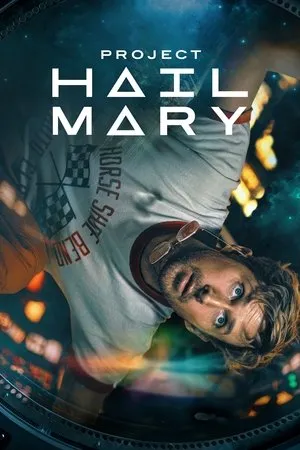
Project Hail Mary
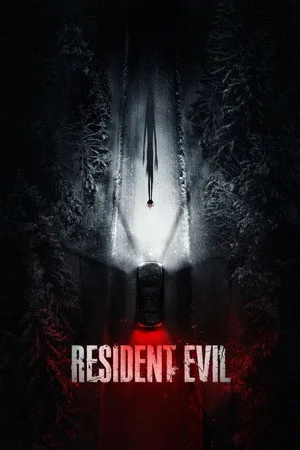
Resident Evil
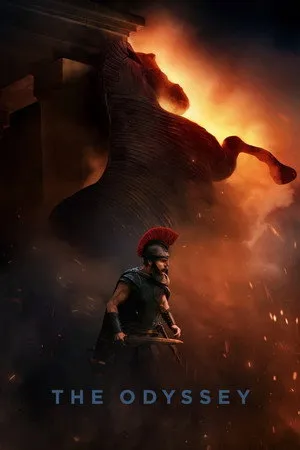
The Odyssey
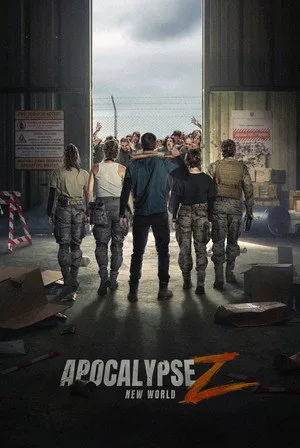
Apocalypse Z: New World
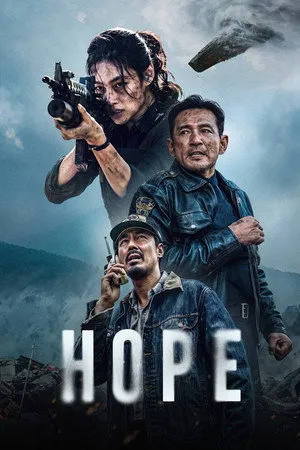
Hope
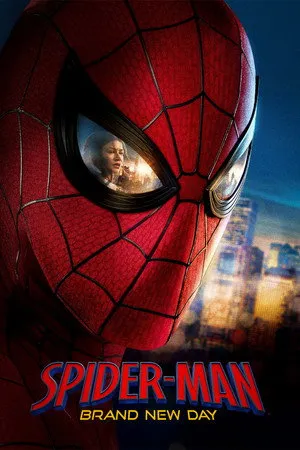
Spider-Man: Brand New Day
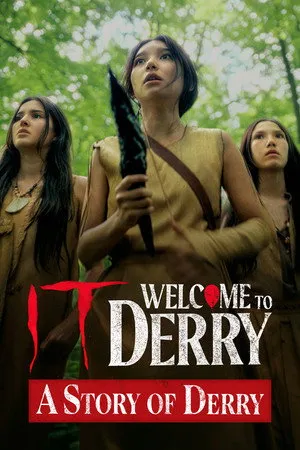
A Story of Derry
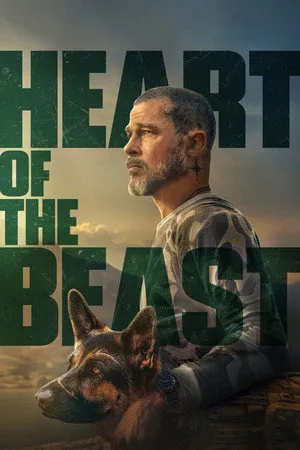
Heart of the Beast
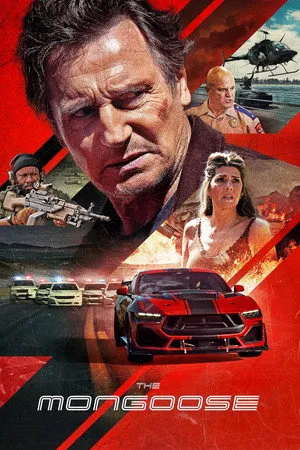
The Mongoose
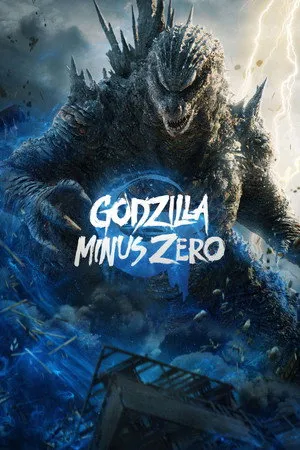
Godzilla Minus Zero
Award-Winning Movies You Can't Miss
As a film critic who has spent decades dissecting celluloid dreams and digital realities, I have learned that true cinematic excellence rarely shouts from the rooftops. Instead, it whispers through carefully crafted scenes, lingers in unforgettable performances, and earns its place in history through quiet brilliance and festival acclaim. If you are searching for the best movies to watch this year or looking for award-winning films that deserve your weekend attention, you have come to the right place. Cinema is a living art form, and the following selection represents a curated cross-section of genre-defining works that have captivated audiences, secured prestigious honors, and pushed the boundaries of storytelling. Whether you crave heart-pounding thrills, emotional dramas, or visually staggering epics, these ten masterpieces will redefine what you expect from the silver screen.
Project Hail Mary arrives as a triumph of speculative fiction brought to life with scientific rigor and profound humanity. Directed by Dean DeBlois, whose background in world-building shines through every frame, this adaptation of Andy Weir’s bestselling novel transforms orbital mechanics and astrophysics into a deeply personal survival journey. The film follows a lone astronaut who wakes with amnesia aboard a spacecraft hurtling toward a dying Earth, only to discover that salvation hinges on an unlikely alliance with an extraterrestrial companion. What makes this movie worth watching is its rare ability to make quantum physics feel as relatable as a conversation between old friends. Critics have praised its seamless blend of hard science and emotional warmth, while festival audiences have celebrated its groundbreaking practical effects and score that turns vacuum silence into a symphony of hope. It is a must-watch for anyone who believes that the greatest adventures happen when curiosity meets courage.
Resident Evil may be synonymous with blockbuster horror franchises, but the latest iteration reclaims its roots as a tense, atmospheric thriller that respects the genre legacy while forging a new path. Director Paul W.S. Anderson strips away the supernatural clutter to focus on corporate paranoia, claustrophobic corridors, and human resilience under biological siege. The film’s commitment to practical creature design and location shooting gives it a tactile dread that CGI-heavy predecessors often lack. Audiences and critics alike have noted how the narrative transforms a video game property into a sharp commentary on pandemic-era anxiety and institutional failure. Its methodical pacing, chilling sound design, and a lead performance that balances vulnerability with tactical precision make it a standout entry in the horror-thriller canon. If you appreciate suspense that lingers long after the credits roll, this film demands your attention.
The Odyssey reimagines Homer’s ancient epic as a sweeping, visually magnificent journey across war-torn coastlines and mythic landscapes. Directed with meticulous care, the production team consulted historians and linguists to ground the fantastical elements in tangible reality, resulting in a film that feels both timeless and urgently relevant. The story tracks a reluctant warrior navigating betrayal, divine intervention, and the heavy cost of glory, all captured through panoramic cinematography that treats every horizon like a painting. Critics have highlighted its fearless refusal to romanticize violence, instead portraying the psychological toll of endless conflict. The ensemble cast delivers nuanced performances, particularly in scenes where silence speaks louder than swords. This is a cinematic event built for large screens, offering audiences a chance to witness mythological storytelling elevated to award-worthy artistic heights.
Apocalypse Z: New World steps into the zombie genre with unflinching grit and a distinctly European sensibility. Originating from Spain’s vibrant independent filmmaking scene, the sequel pushes past gore-for-gore’s-sake tropes to explore community collapse, moral ambiguity, and the fragile threads that hold society together. Director Jorge Dorado maintains a relentless pace while carving out quiet moments of introspection, allowing characters to confront what remains of humanity when civilization fractures. The film earned international festival recognition for its grounded special effects and socially conscious narrative that mirrors real-world crises without feeling preachy. Watching it is like stepping into a press conference of survival, where every decision carries weight and every ally might become an enemy. For fans of intelligent horror that refuses to shy away from uncomfortable truths, this title is essential viewing.
Hope takes a minimalist approach to emotional storytelling, proving that restraint can be just as powerful as spectacle. Centered on a family navigating grief and unexpected reconciliation, the film relies on natural lighting, authentic dialogue, and performances that feel lived-in rather than performed. The director’s background in documentary filmmaking informs the camera work, which observes rather than intrudes, creating an intimate atmosphere that draws viewers into the characters’ private struggles. Critics have awarded it top honors for screenplay originality and lead acting, noting how it avoids melodrama in favor of quiet revelation. Its runtime flies by because every scene serves a purpose, building toward a climax that resolves not with grand gestures, but with small, meaningful choices. This is a film that rewards patience and leaves a lasting imprint on the heart.
Spider-Man: Brand New Day reinvents the superhero genre through bold animation techniques and a deeply personal coming-of-age narrative. Produced by a forward-thinking studio committed to pushing artistic boundaries, the film abandons photorealism in favor of dynamic, painterly visuals that shift in tone to match the protagonist’s emotional state. The director collaborates with comic artists and storyboard veterans to create sequences that feel like flipping through a living graphic novel. Beyond its stylistic innovation, the story tackles identity, responsibility, and the weight of expectation with remarkable sincerity. Festival juries and animation critics have praised its willingness to tackle mature themes without sacrificing accessibility, earning it multiple industry awards for technical achievement and narrative depth. Viewers seeking a fresh perspective on familiar icons will find this adaptation both visually daring and emotionally resonant.
A Story of Derry emerges from Ireland’s rich cinematic renaissance, capturing the essence of a coastal town grappling with economic change and generational divides. Written and directed by a local filmmaker who grew up in the region, the movie features non-professional actors alongside seasoned performers, blending scripted narrative with documentary-style realism. The plot unfolds over three days during a local festival, where hidden resentments surface and long-buried secrets demand resolution. Critics have lauded its unvarnished portrayal of working-class life and its refusal to offer easy answers. The naturalistic performances, ambient soundscapes, and carefully composed frames create an immersive experience that feels more like eavesdropping on real conversations than watching a manufactured plot. This indie gem has swept regional awards circuits and stands as a testament to the power of localized storytelling.
Heart of the Beast throws its protagonist into a brutal wilderness survival scenario where nature becomes both sanctuary and adversary. Director Elena Rostova crafts a visceral thriller that leans heavily on physical performance and environmental storytelling, using minimal dialogue to convey escalating desperation and strategic ingenuity. The film’s production required months of training for the cast, resulting in fight choreography and movement sequences that feel authentically exhausting. International critics have recognized its masterful use of negative space and natural light, which transform forest interiors into labyrinthine pressure cookers. Beyond the adrenaline, the narrative explores themes of isolation, self-reliance, and the thin line between predator and prey. Award committees have singled out its sound design and editing for creating a rhythm that matches a racing heartbeat, making it a gripping choice for thrill-seekers who value substance over shock.
The Mongoose operates as a sleek, morally gray crime thriller that subverts traditional hero-villain dynamics through its central antagonist. Directed by a visionary known for stylized violence and philosophical undertones, the film follows a retired operative pulled back into one last mission that blurs the lines between justice and vengeance. The screenplay delivers razor-sharp dialogue, intricate plotting, and a supporting cast that elevates every encounter into a chess match. Cinematographers employ stark contrasts and deliberate camera movements to mirror the protagonist’s fractured psyche, while the score incorporates unconventional instruments to heighten tension. Critics have praised its refusal to provide cathartic resolutions, instead forcing audiences to sit with uncomfortable ethical questions. Festival jurors have awarded it for direction and screenplay, cementing its status as a modern classic in the neo-noir tradition.
Godzilla Minus Zero stands as a landmark achievement in kaiju cinema, transforming a monster franchise into a poignant meditation on postwar trauma, scientific responsibility, and human resilience. Director Takashi Yamazaki strips away the typical destruction spectacle to focus on survivors navigating a scarred landscape, using the titular creature as both threat and symbol. The film’s integration of practical miniatures with cutting-edge CGI creates a tactile realism that honors vintage tokusatsu traditions while embracing modern technology. Critics worldwide have celebrated its emotional maturity, historical accuracy, and stunning visual craftsmanship, leading to sweeps across international film awards and technical guild honors. Watching it is not merely about witnessing a giant lizard attack a city; it is about experiencing a deeply human story wrapped in spectacular imagery. This masterpiece proves that even the largest monsters can carry the smallest, most important messages.
When you gather these films into your viewing rotation, you are not just filling time. You are investing in stories that challenge perceptions, expand empathy, and showcase the extraordinary range of contemporary cinema. Each title has earned its accolades through disciplined craft, bold creative choices, and unwavering commitment to emotional truth. Whether you prefer mind-bending sci-fi, grounded dramas, genre-redefining thrillers, or visually revolutionary animations, this collection guarantees that every hour spent watching will be an hour well spent. Mark your calendars, queue up your streaming platforms, and prepare to experience award-winning movies you cannot miss. The silver screen has never been more alive, and these films are the proof.