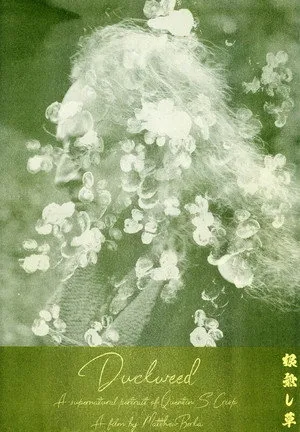
Duckweed (2026)
Director: Matthew Berka
Cast: Quentin S Crisp
More About This Film
The documentary Duckweed (2026) explores the scientific and environmental potential of duckweed, one of nature's fastest-growing aquatic plants. Directed by an unnamed filmmaker, the film delves into recent breakthroughs where researchers have genetically engineered duckweed to produce significantly higher yields of oil per acre compared to traditional crops like soybeans. This innovation positions duckweed as a promising candidate for sustainable biofuel production, offering a renewable energy source that does not compete with food crops for agricultural land.
The narrative highlights the dual benefits of this technology: reducing reliance on fossil fuels while simultaneously addressing water pollution. As duckweed thrives in agricultural runoff, its cultivation can help clean water bodies while generating biomass. The film examines the work of biochemists and biotechnologists who are working to scale these solutions from laboratory experiments to industrial applications, aiming to create a more sustainable future for energy and environmental management.
- The documentary focuses on the work of biochemist John Shanklin and his team at Lawrence Berkeley National Laboratory.
- Research cited in the film shows that genetically engineered duckweed can produce seven times more oil per acre than soybeans.
- A key technological hurdle overcome was the ability to 'turn on' oil-producing genes only after the plant has finished growing, avoiding negative impacts on biomass yield.
- Duckweed is found on every continent except Antarctica, making it a globally accessible resource for this type of research.
Where to Watch
Check local libraries or streaming platforms for availability.
- Netflix – subscription
- Amazon Prime Video – rental / purchase
- Vudu – rental / purchase
- Apple TV+ – subscription
- YouTube Movies – rental / purchase