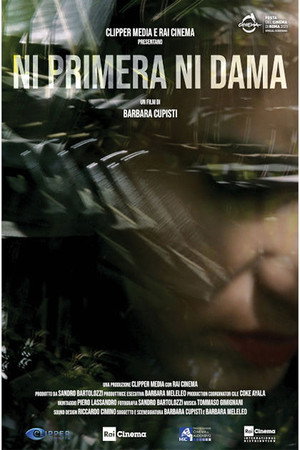
Ni primera ni dama (2026)
Director: Barbara Cupisti
More About This Film
Ni primera ni dama (2026) is a cinematic exploration into the complex public persona and private life of Eva Perón, examining how her image was constructed, consumed, and contested during her time as First Lady of Argentina. The film delves into the multifaceted roles she played—ranging from the philanthropic "Lady of Mercy" to the political symbol of national identity—while navigating the intense scrutiny of both domestic and international media. By focusing on the dichotomy between her perceived saintliness and the criticisms leveled against her, the movie offers a nuanced perspective on one of Latin America's most iconic and polarizing figures.
The production emphasizes the visual and rhetorical strategies used to maintain Evita's mythos, highlighting moments where her narrative was manipulated for political communication. It portrays the tension between her origins and her elevated status, capturing the emotional resonance she held for the working class while addressing the elitist opposition she faced. The screenplay draws upon historical archives to reconstruct key interactions that defined her relationship with President Juan Domingo Perón and the broader Argentine society.
- The film features a cast dedicated to portraying the evolution of Eva Perón across different phases of her short but impactful public life.
- Production design meticulously recreates the aesthetic of 1940s and 1950s Argentina to ensure historical authenticity in settings and costumes.
- Soundtrack elements incorporate traditional tango and folk music of the era to enhance the atmospheric immersion of the period.
- The narrative structure interweaves personal diary entries with public speeches to provide dual perspectives on her motivations.
- Cinematography utilizes lighting techniques reminiscent of the golden age of Hollywood to reflect the glamorous yet controversial nature of her celebrity status.
Where to Watch
The movie Ni primera ni dama (2026) is available through various digital platforms and theatrical releases depending on your region.
- Netflix – subscription
- Amazon Prime Video – rental / purchase
- Apple TV – rental / purchase
- Google Play Movies – rental / purchase
- YouTube Movies – rental / purchase
- Fandango at Home – rental / purchase